Home Window Tint: A Smart Guide to Comfort and Savings
Home window tint guide: benefits, types, and tips for choosing and installing.
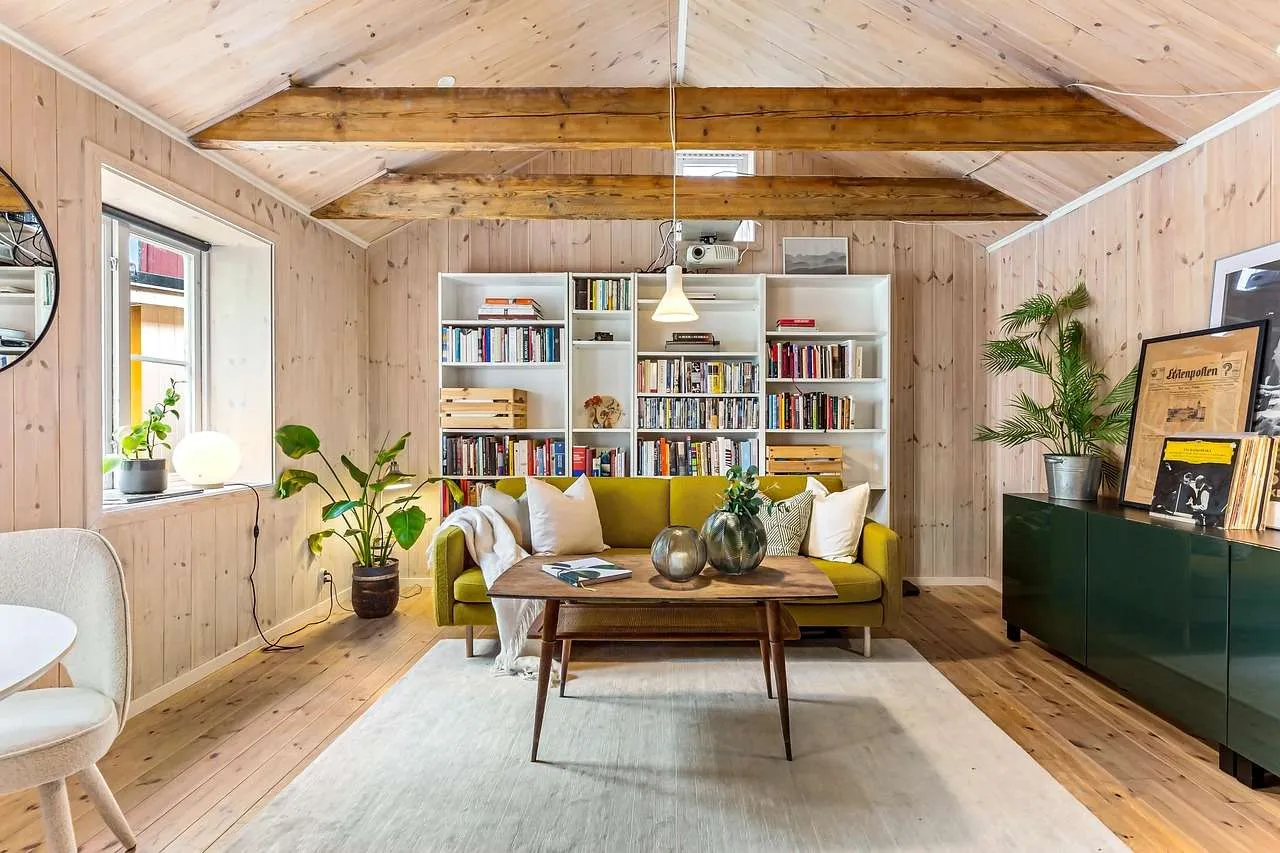
As a seasoned expert in home improvement and content strategy, this guide explains home window tint and how it can boost comfort, energy efficiency, and privacy in any home.
What is home window tint?
Home window tint is a thin film applied to interior or exterior glass. It reduces heat, blocks UV rays, and minimizes glare while preserving visibility. Tints come in various technologies and shades to match climate, aesthetics, and budget.
Benefits of home window tint
Energy efficiency and comfort
By reflecting or absorbing solar heat, tint lowers cooling loads in hot seasons and can help maintain a more even indoor temperature year round, reducing reliance on air conditioning.
UV protection and glare reduction
Quality films block up to 99 percent of UV rays, protecting furniture and skin while reducing eye strain from bright light.
Privacy and safety
Tints improve daytime privacy and, in many cases, help hold shattered glass together, enhancing safety and security.
Types of home window tint
Film types vary in heat rejection, color stability, and price. Here are common options:
Dyed window tint
Affordable and effective for glare reduction, but may fade over time and offer less durable heat control.
Metalized or mirrored tint
Excellent for heat reflection and privacy, yet it can interfere with electronics and may look metallic from the outside.
Ceramic window tint
High heat rejection, superior UV protection, and minimal signal interference, though with a higher upfront cost.
Carbon or graphite tint
Hides infrared heat well and provides a rich appearance with strong color stability, often at a midrange price.
Nano-ceramic or premium nano-tint
Top-tier performance across heat control, UV protection, and clarity, typically paired with premium warranties.
How to choose and install
Match the film to climate, windows, and budget. Professional installation ensures precise cuts, clean edges, and proper warranty coverage, while DIY kits may save money but require careful prep.
DIY vs professional
DIY tinting can save money but risks air bubbles, improper adhesion, and uneven edges. Professionals provide guarantees, proper film selection, and climate-specific recommendations.
Legal considerations and warranties
Tint laws vary by country and region, including permissible darkness and reflectivity. Verify local regulations before purchasing and confirm manufacturer warranties with installers.
Maintenance tips
Clean with a soft microfiber cloth and mild soap. Avoid ammonia-based cleaners and abrasive scrubbing that can degrade coatings. Inspect edges periodically and reseal if needed to maintain performance.
Cost and return on investment
Prices depend on film type, window size, and labor. Expect a range from budget-friendly to premium options. Energy savings, furniture protection, and UV damage prevention can offset initial costs over time.
Comparison at a glance
| Type | UV Rejection | Heat Reduction | Privacy | Cost | Best For |
|---|---|---|---|---|---|
| Dyed | Good | Moderate | Low to Moderate | Low | Budget projects |
| Metalized | Very Good | High | Good | Medium | Privacy and heat control |
| Ceramic | Excellent | Very High | Great | High | Premium performance |
| Carbon | Very Good | High | High | Medium-High | Balanced option |
| Nano-ceramic | Excellent | Extreme | Excellent | Premium | Top performance |
Conclusion
Conclusion, home window tint offers energy savings, UV protection, privacy, and safety with various film types and installation options. Choose a film that matches climate, budget, and legal requirements, and rely on professional installation for best results and warranty protection.