Window Tint for Home: Energy-Saving & Privacy
Learn how window tint for home protects interiors, saves energy, and boosts privacy.
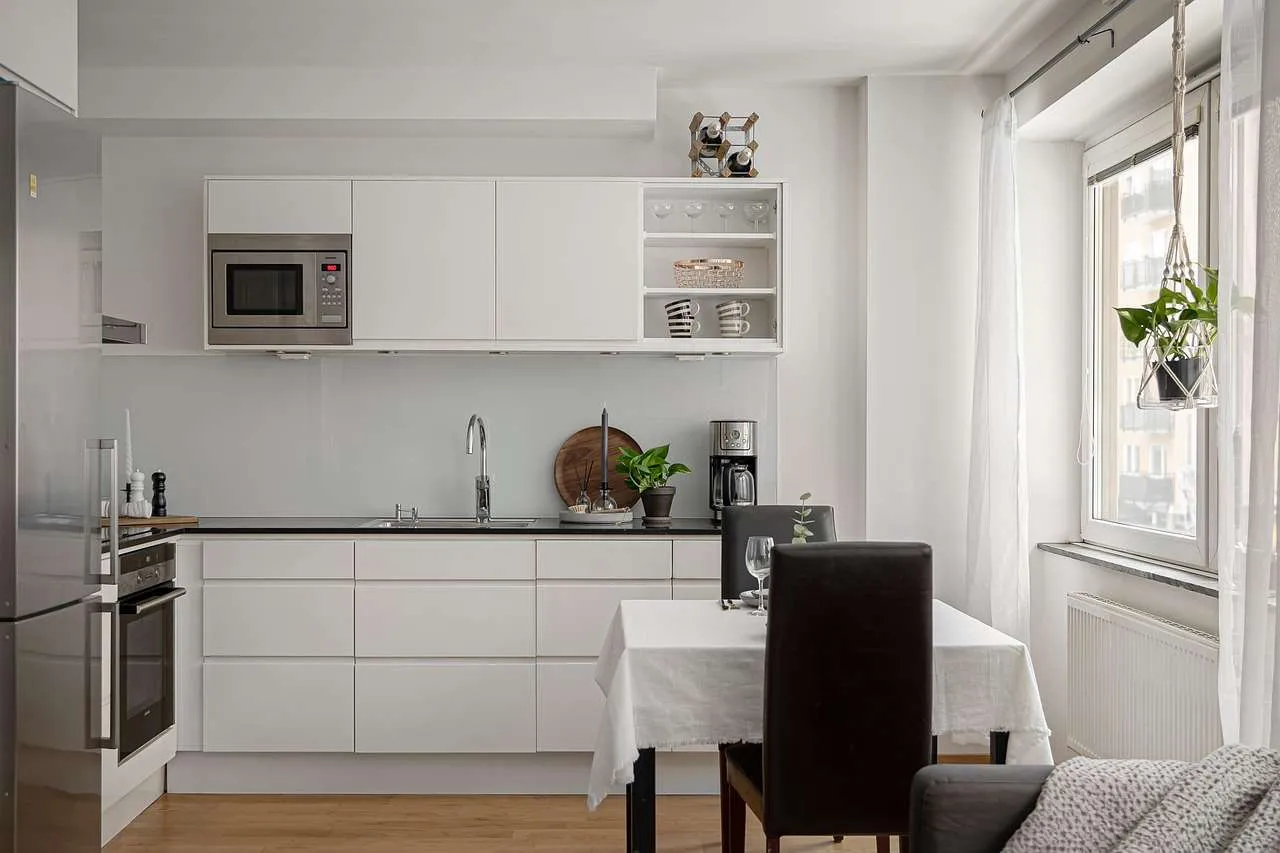
Why window tint for home?
Window tint for home can dramatically reduce heat gain, protect interior furnishings from UV damage, and lower cooling costs. By applying a tinted film to sun-exposed windows, homeowners can enjoy more consistent indoor temperatures and reduced glare without sacrificing natural light.
What is window tint for home?
Residential window tint is a thin film applied to glass that modifies how light and heat pass through. Films come in various technologies, performance levels, and appearances, from budget dyed options to advanced ceramic and nano-ceramic layers. When installed correctly, tint remains durable for years and can be selected to meet local rules on visibility and energy efficiency.
Types of home window tint
Dyed films
Dyed films are the most affordable option. They blend well with many interior designs and provide decent UV protection. However, they offer moderate heat rejection and can fade or change color over time. For homeowners prioritizing cost, dyed films are a practical entry point.
Metalized films
Metalized films use metallic particles to reflect heat and reduce glare. They provide strong heat rejection but can interfere with certain electronics and mobile devices, and they may impart a slight mirror-like look, especially from the exterior at certain times of day.
Ceramic films
Ceramic films are non-metallic and offer excellent heat rejection, UV protection, and color clarity. They preserve the interior’s natural light better than many dyed or metalized films and are less likely to interfere with electronics. They are a popular mid- to high-end choice for residential projects.
Nano-ceramic films
Nano-ceramic films use advanced nano-ceramic particles to maximize performance while maintaining high visible light transmission. They combine superior heat control, UV rejection, and privacy without heavy reflectivity, making them suitable for modern homes with large glass surfaces.
Benefits of window tint for home
- Energy efficiency: Reduces heat gain in summer and heat loss in winter, easing HVAC loads.
- UV protection: Blocks up to 99% of harmful UV rays, protecting furnishings, flooring, and artwork from fading.
- Glare reduction: Improves comfort on sunny days and makes screens easier to view.
- Privacy and aesthetics: Enhances privacy while maintaining natural daylight and curb appeal.
- Safety and security: Some films hold shattered glass together, reducing injury risk from breaks.
How to choose the right tint
Start by identifying goals: energy savings, privacy, or glare control. Consider the home’s orientation and climate to set a target VLT (visible light transmission). A common residential range is 35%–50% VLT for living spaces, but climate and neighborhood rules may shift this. Check UV rejection, glare control, and durability warranties from reputable brands. Finally, consult a licensed installer who can confirm glass compatibility and provide a professional warranty.
Installation options
You can opt for DIY kits or hire a professional installer. DIY film is cheaper but may void warranties or result in bubbles, poor edges, or reduced longevity if not applied to clean, dry glass. Professional installation ensures even coverage, precise cuts, and compliance with safety standards, often accompanied by a manufacturer warranty.
Maintenance and care
Maintenance is minimal: clean with a soft microfiber cloth and a mild soap solution. Avoid abrasive cleaners or scrubbing pads that can scratch the film. Periodic inspections can catch edge lifting or bubbling early, allowing prompt repair or re-application as needed.
Cost considerations
Costs vary by tint type, glass size, and labor. Dyed films remain the most affordable, while nano-ceramic options sit at the higher end of the spectrum. On average, residential window tinting might range from $1 to $12 per square foot, plus installation. Budget for warranty, climate needs, and aesthetic preferences when planning.
Comparison of tint types
| Tint Type | UV Rejection | Visible Light Transmission (VLT) | Durability | Best For | Typical Cost* |
|---|---|---|---|---|---|
| Dyed films | High UV rejection (up to 99%) | 5-15% | Low–Medium | Budget upgrades | $1–$3/ft2 |
| Metalized films | High UV rejection | 15-35% | Medium | Heat rejection, glare reduction | $3–$6/ft2 |
| Ceramic films | Excellent UV rejection | 25-60% | High | Balanced performance with clarity | $5–$9/ft2 |
| Nano-ceramic films | Superior UV rejection | 25-60%+ | Very high | Best overall performance | $7–$12/ft2 |
Note: Prices are approximate and vary by region, film brand, window size, and installer. Always request a written warranty and confirm that the film is compatible with your glass types and coatings.
Conclusion, window tint for home is a practical upgrade that improves energy efficiency, UV protection, privacy, and safety when chosen with climate, local regulations, and installation quality in mind. By understanding tint types, ratings like VLT, and choosing a reputable installer, homeowners can realize long-term savings while maintaining comfort and aesthetics.